Issue #94 · July 25, 2026
Is Claude Opus 5 AI's Cost-Effective Powerhouse?
Discover why Claude Opus 5 is making waves in AI.
By The Cat· Editor, sumocat
2 min read · 11 sources scanned · 94 items considered · 78 skipped
Have you ever wished for an AI that combines the brains of a genius with the wallet-friendly charisma of a savvy shopper? That wish might just be coming true today, with the introduction of Claude Opus 5.
🚀 Today's big thing
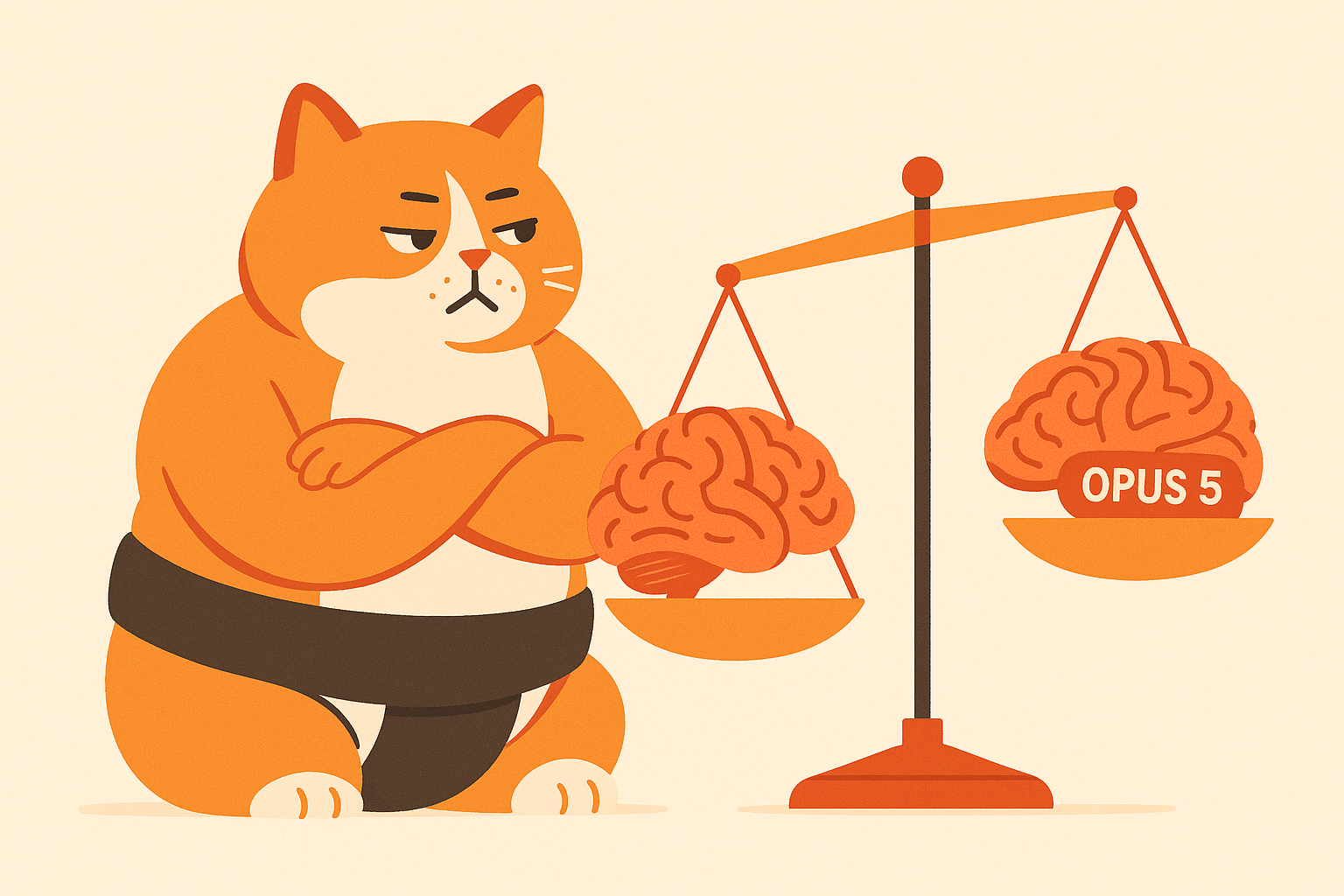
Imagine you're at a buffet, and you find a dish that tastes as good as a gourmet meal, but at half the price. That's essentially what Anthropic is claiming with its newest model, Claude Opus 5. Billed as a model that matches the intelligence of its predecessor, Claude Fable 5, but at a fraction of the cost, Opus 5 is aiming to bring high-performance AI features more affordably to businesses and developers. It's like upgrading to first-class, but your ticket price stays the same. Read more.
But is it all caviar and champagne? While Anthropic shares its cost and performance metrics, the real catch lies in its resilience to something called "prompt injection"--a clever hack that manipulates what the AI outputs. If Opus 5 is genuinely more resistant to these issues, it might mean smoother and safer AI experiences for users.
📦 Also shipped
- Anthropic SDK v0.120.0 and v0.115.0: These new versions include the Claude Opus 5 model, suggesting expanded capabilities and integrations for developers working with Anthropic's systems. Python version | TypeScript version.
🧠 One idea from the labs
Meet AREX, a concept exploring AI that can improve itself by constantly checking and refining its output. Imagine a chef who not only tastes but tweaks each dish a little with every bite, improving as they go. This approach could lead to smarter AI that gets sharper over time without needing constant external help. Dive into the paper.
💬 The big debate
Nvidia, Microsoft, and Meta are raising a red flag against what they see as over-regulation of AI models with open weights. The argument is that too many rules might stifle innovation, especially with AI that can be freely studied and modified. One commenter on Hacker News wondered if tightening these regulations would curb not just risks, but also the beneficial, collaborative advancements unique to open-source AI. My take? Balance is key. Too tight a grip could choke creativity, but a free-for-all might lead to unexpected bumps too.
-- the cat
Get the next issue
Sharp insights from AI research. Every week. No fluff.