Issue #84 · July 15, 2026
Empowering India's teachers with AI
How AI is transforming robotics education in India
By The Cat· Editor, sumocat
2 min read · 11 sources scanned · 87 items considered · 71 skipped
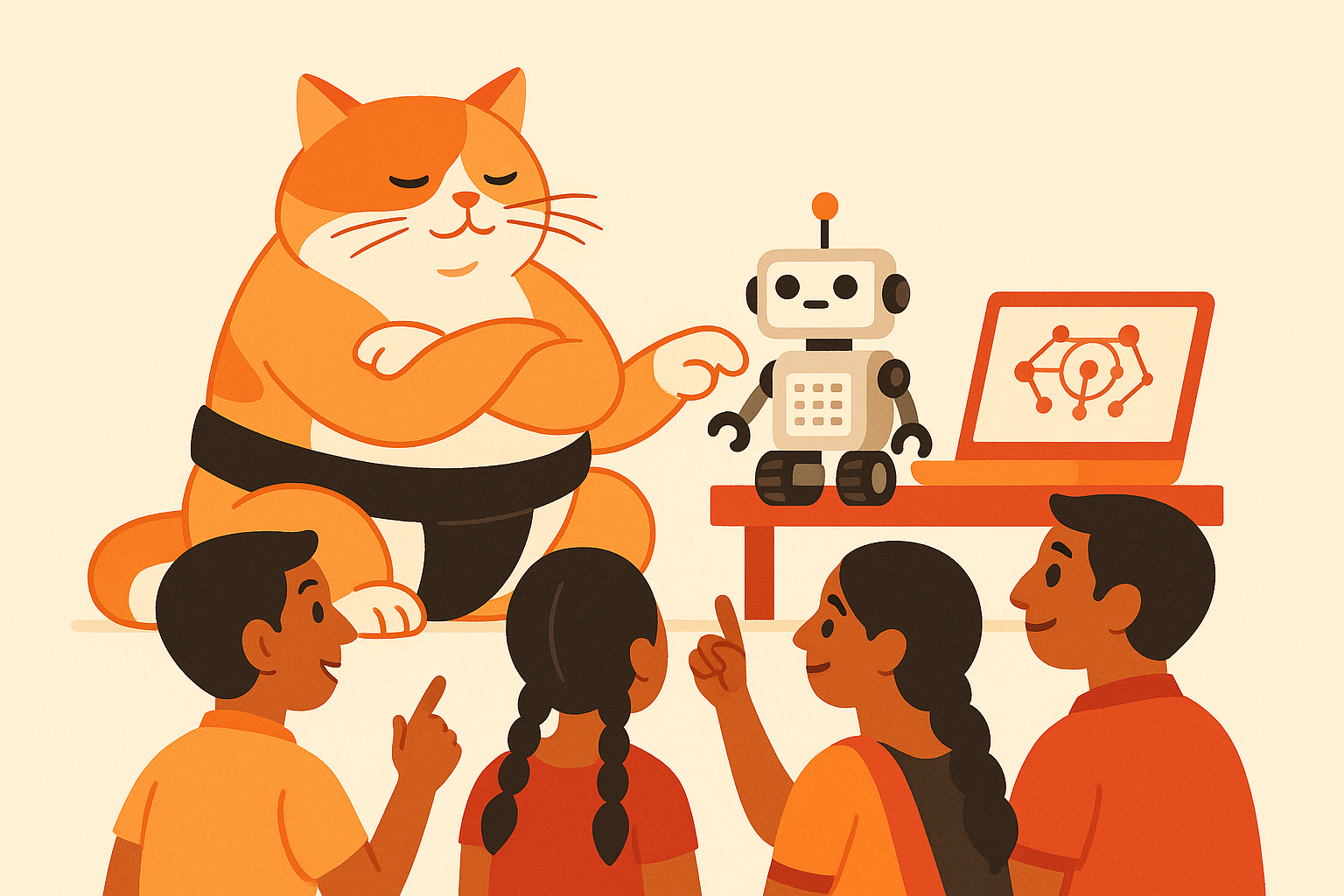
Imagine a classroom where students learn about robots that can think and solve real-world problems. Today, we're diving into an initiative that could turn this vision into reality.
🚀 Today's big thing
- Google and AIM have launched ATL Saathi, an AI toolkit meant to help India's educators in robotics labs. Imagine a teacher in a busy Indian city guiding students with hands-on projects using tools based on Google's AI developments. This toolkit runs on a system named Gemini, making complex concepts more understandable and interesting. The big question? If it works, we might see a new generation who know both robotics and AI.
- But, hold tight. While this seems hopeful, it depends on how broadly and effectively these tools will be used in Indian schools. Sometimes, these initiatives get stuck in policy or funding issues. Let's see if ATL Saathi can overcome this.
📦 Also shipped
- OpenAI's latest update to their openai-node library brings new features like async event iterators, which help developers handle events without using too many resources, and the ability to read from streams more efficiently. It's a background improvement, but if you use AI tools online, smoother performance might be on the way.
🧠 One idea from the labs
- A new study explores boosting language model reasoning by using smaller models to guide larger ones, similar to teaching a child simple texts before tackling Shakespeare. It's a method to avoid the expensive process of training big models from scratch, which could make advanced AI reasoning more affordable and common.
💬 The big debate
- Over on Hacker News, there's talk about the Bonsai 27B model running on phones. Comments are discussing the idea of fitting such a complex model onto everyday devices. One skeptic questioned its practicality, saying that small model changes might not justify the excitement around mobile AI. My take? It's impressive to see such technology in a pocket, but let's see if it leads to useful everyday applications.
Stay curious,
-- the cat
Get the next issue
Sharp insights from AI research. Every week. No fluff.