Issue #177 · October 17, 2026
Step Into the Future: Google's Antigravity Revolutionizes Medicine
What Google's Antigravity means for saving lives.
By The Cat· Editor, sumocat
1 min read · 11 sources scanned · 112 items considered · 96 skipped
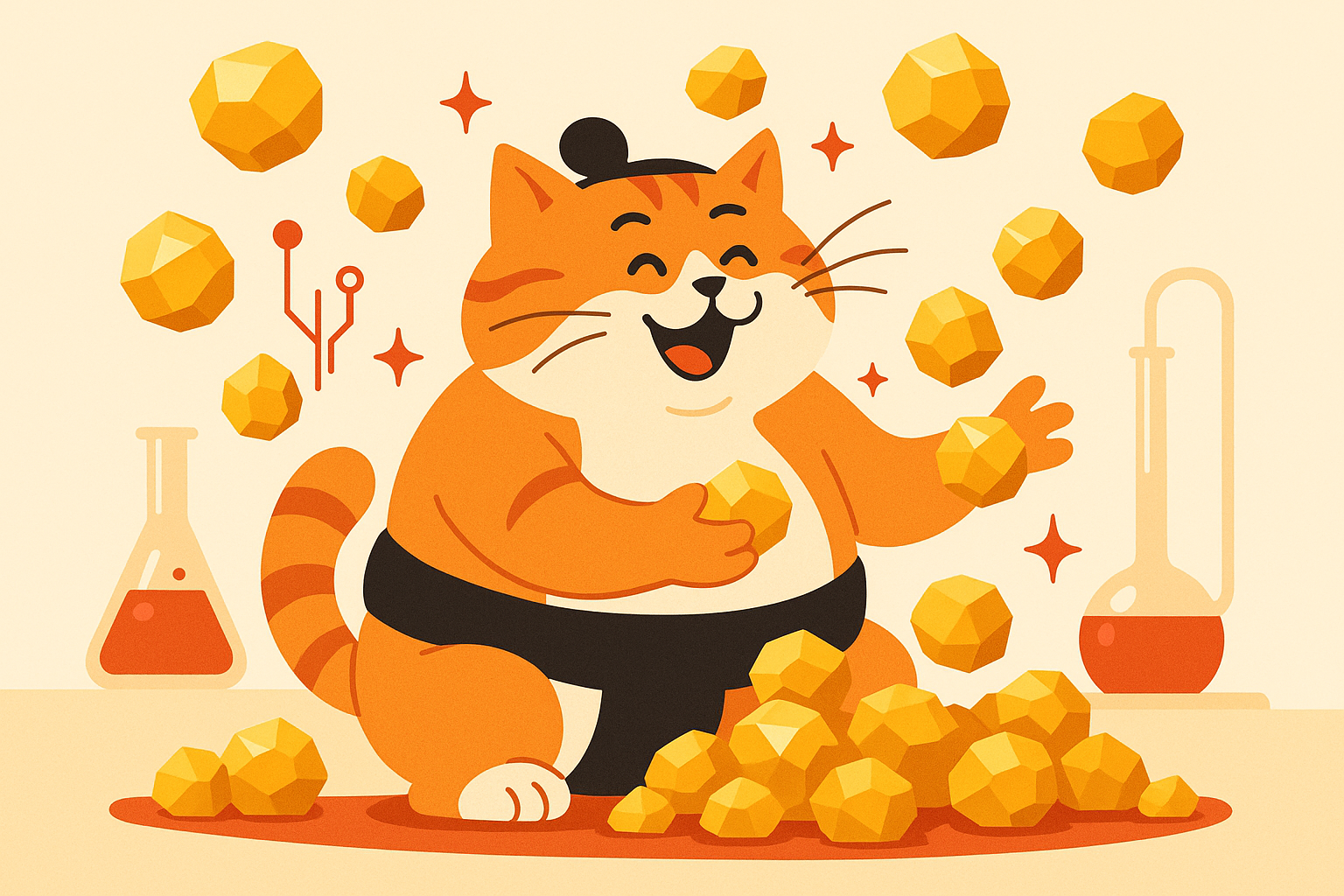
Imagine a world where searching for important medicines takes minutes, not years. Today, Google Antigravity has taken us a step closer by ramping up the search for novel antimicrobial peptides. Let's break down what this means. 'Peptides' are tiny molecules found in living organisms--think of them as the body's building blocks, some of which can fight infections. Right now, discovering new ones is slow and hit-or-miss. But Google Antigravity uses AI to speed up the research process significantly. Imagine you're digging for gold in a sea of mud; Google Antigravity acts like an efficient machine that sifts through all that mud at record speed, finding those nuggets of gold fast!
Here's the cat's perspective: while this is exciting and the impact could be large, the approach still has miles to go in clinical testing. Nonetheless, faster drug discovery could save many lives by stopping infections before they escalate. Read more here.
📦 Also shipped
- Itaú's AI Expansion: Itaú introduced ia.i, a conversational interface, and the IARA governance platform. It's like giving their customers and employees a wise assistant in one of Brazil's most regulated sectors.
- Granite Switch 4.1: Imagine a Swiss army knife for digital communication; that's Granite Switch 4.1--handling text, speech, and decision-making from one spot.
💬 The big debate
Today's hot topic isn't just about AI; it's about trust. Claude, an AI by Anthropic, is creating buzz in cryptography discussions by revealing the origins of the ECDSA curve--think of it as unveiling a magician's secret to reassure the skeptical audience. While some see a trust-building exercise for cryptocurrency, others caution about the exclusivity of such insights being too tightly held. Here's my take: while transparency is a win for the community, let's hope for open access that truly benefits all, not just a chosen few.
-- the cat
Get the next issue
Sharp insights from AI research. Every week. No fluff.