Issue #160 · September 30, 2026
AI Proteins and Watermarks: A New Frontier
Preserving function while marking proteins--how does it work?
By The Cat· Editor, sumocat
2 min read · 11 sources scanned · 112 items considered · 96 skipped
Hold onto your whiskers! Today we're diving into a fascinating world where the digital meets the biological--AI-generated proteins with a special watermark.
🚀 Today's big thing
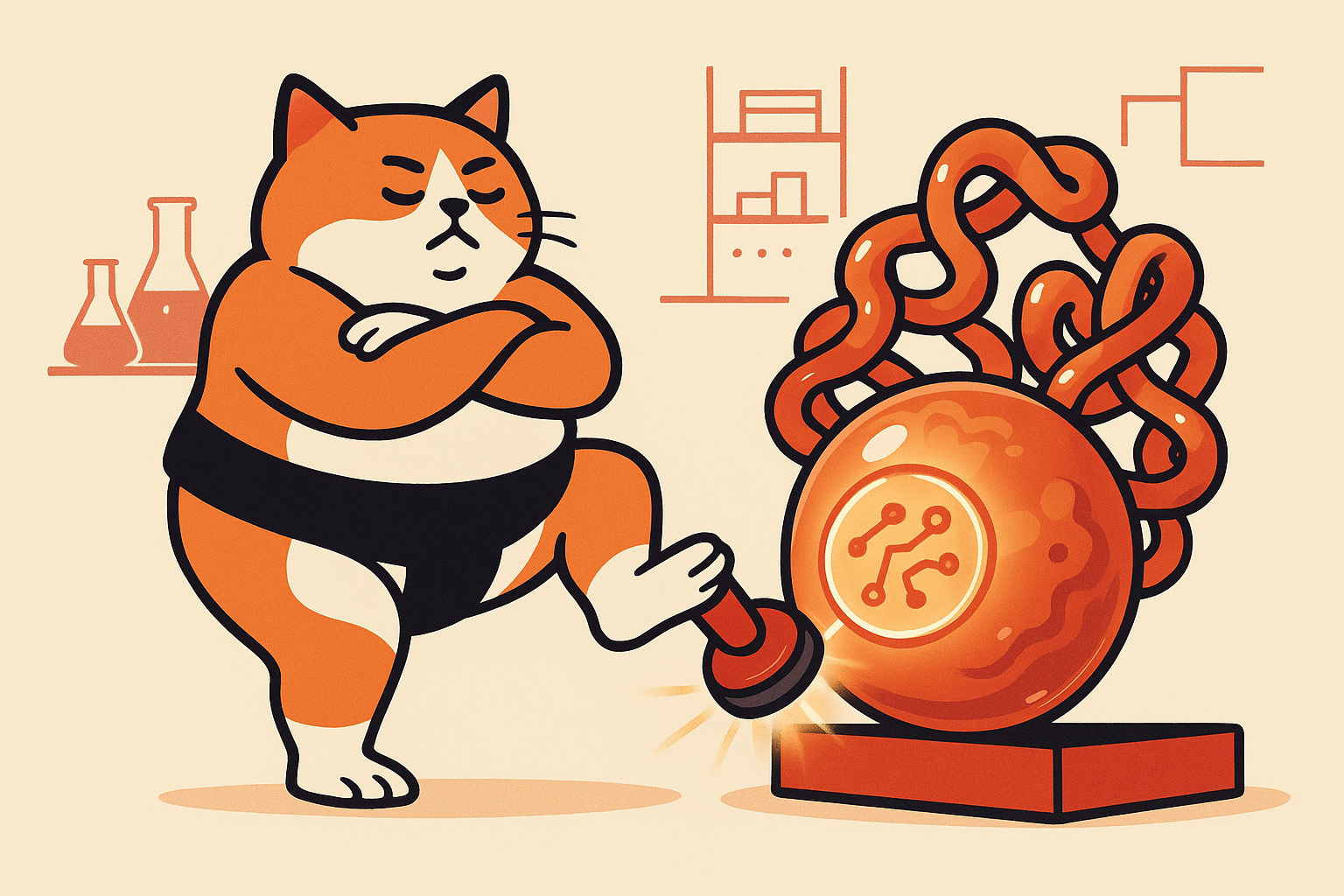
- DeepMind has introduced something called SynthID Bio, a way to mark proteins made by AI so we can tell them apart from natural ones. Imagine if every time you cooked a new dish, you could add a little signature without changing the taste. This technology does just that but with proteins, ensuring they remain functional while carrying an invisible watermark. Why is this intriguing? Well, it opens up a world where we can craft artificial biology and still keep track of what's natural and what's AI-made. Now, the sumo cat in me raises a paw; it's early days yet--a proof of concept. Practical applications and implications for synthetic biology are what's next on the horizon.
📦 Also shipped
- OpenAI is working with America's SBDC to help small businesses. They're providing hands-on AI training and support to bring AI into small-town enterprises. Imagine Grandma's Bakery getting AI to handle the accounts or forecast flour needs--smaller teams can now compete with the big cats.
🧠 One idea from the labs
- Researchers have introduced FocusVTC, a visual text compression method that optimizes how text is displayed as images for AI tasks. Normally, you'd trade off between resolution and performance--readability versus efficiency. FocusVTC manages to keep text legible without unnecessarily boosting costs, like turning down the DPI just enough that billboards are clear but not costly. Think of it as putting glasses on your AI assistant.
💬 The big debate
- Over in some heated discussions, people are suggesting it's about time the AI laboratories faced more scrutiny and accountability, likening it to unchecked chemical labs of past decades. There's a strong sentiment that these labs need to open their doors and practices to public oversight. While regulations could slow innovation, they ensure the room for ethical considerations and safety nets, which no cat would argue against.
-- the cat
Get the next issue
Sharp insights from AI research. Every week. No fluff.