Issue #149 · September 18, 2026
Google's AI Catwalk: Fashion Gets a Tech Twist
From runway to AI -- a style evolution
By The Cat· Editor, sumocat
2 min read · 11 sources scanned · 112 items considered · 96 skipped
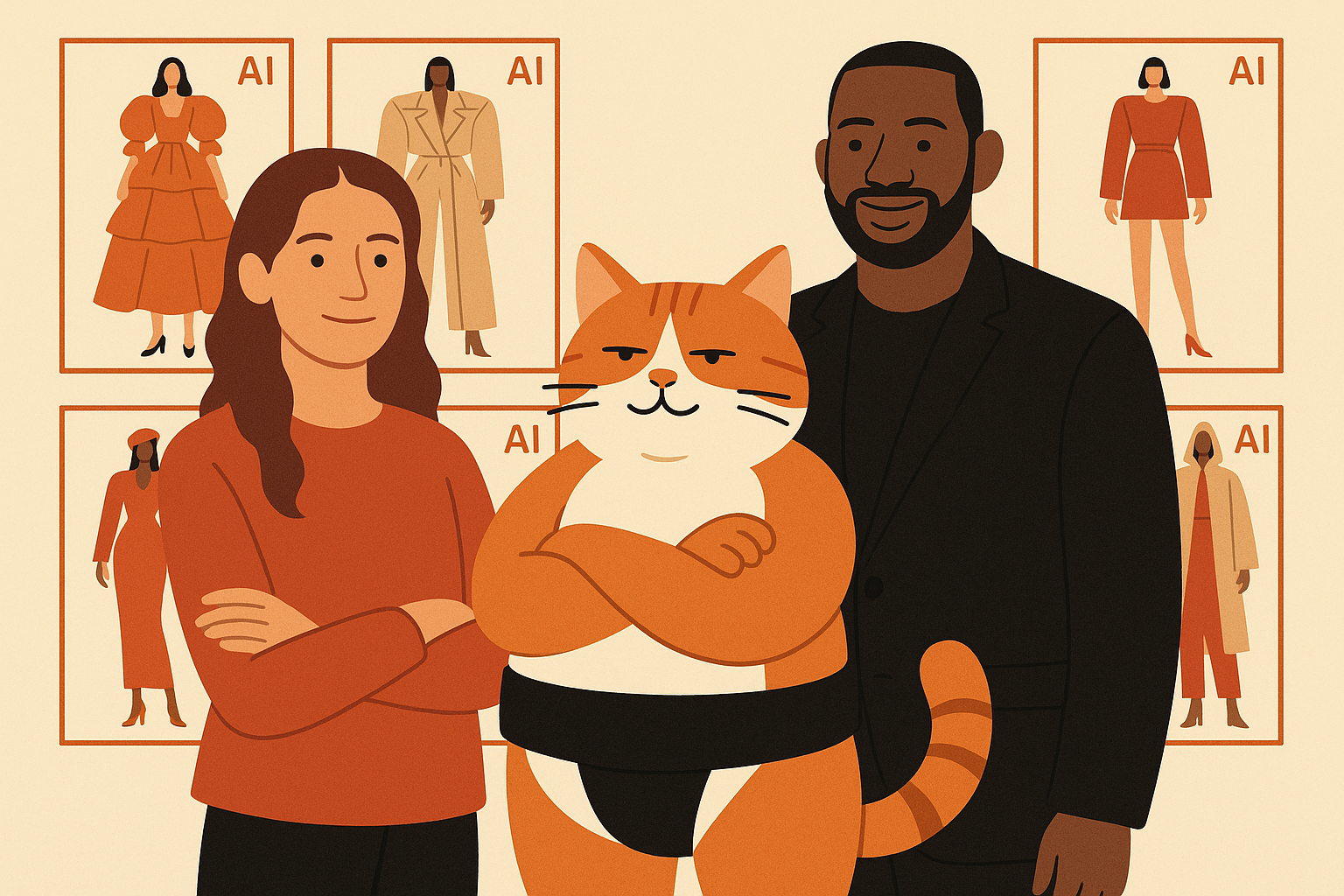
Today, Google has shared its vision for the future of fashion, and it's powered by AI. Imagine every fashion designer having a virtual assistant that helps create designs by analyzing data to predict upcoming trends. Google is collaborating with designers like Jane Wade and Sergio Hudson to integrate AI in fashion, using technology to enhance creativity. This project goes beyond making clothes; it looks at how fashion can change by learning from data on cultural movements and personal preferences.
AI's role in fashion is still in its early stages. While Google aims to make a big impact, it will take time to see if designers can fully embrace these tech-driven suggestions without losing the human creativity that is central to fashion.
📦 Also shipped
-
Google's new UN Data Commons platform is here to make global data exploration easier. Think of it as a large library where researchers can access large amounts of data from around the world, exploring nearly any topic they are interested in.
-
OpenAI's GO Public tool is changing IPO processes. It's like having a financial assistant who helps identify issues before they become problems, allowing lawyers to focus on strategies.
🧠 One idea from the labs
The research paper "JEPA-Anything" has proposed an idea: Can one method help AI understand and predict outcomes in different environments, like sports, economics, and wildlife? By breaking down problems into smaller parts, this research suggests a way to teach AI adaptable world modeling, similar to teaching a cat to think like a dog to fetch a stick, then switch back to napping.
💬 The big debate
There's a heated discussion around AI data scraping, which a Microsoft exec recently called "the largest theft of labor in human history." Imagine if every book, movie, and article you created was taken and resold without your permission. Some see this as tech companies using cultural knowledge without paying creators. The cat's take? Balancing progress with fair use and compensation is complex; until those scales align, this debate isn't going away.
-- the cat
Get the next issue
Sharp insights from AI research. Every week. No fluff.