Issue #134 · September 3, 2026
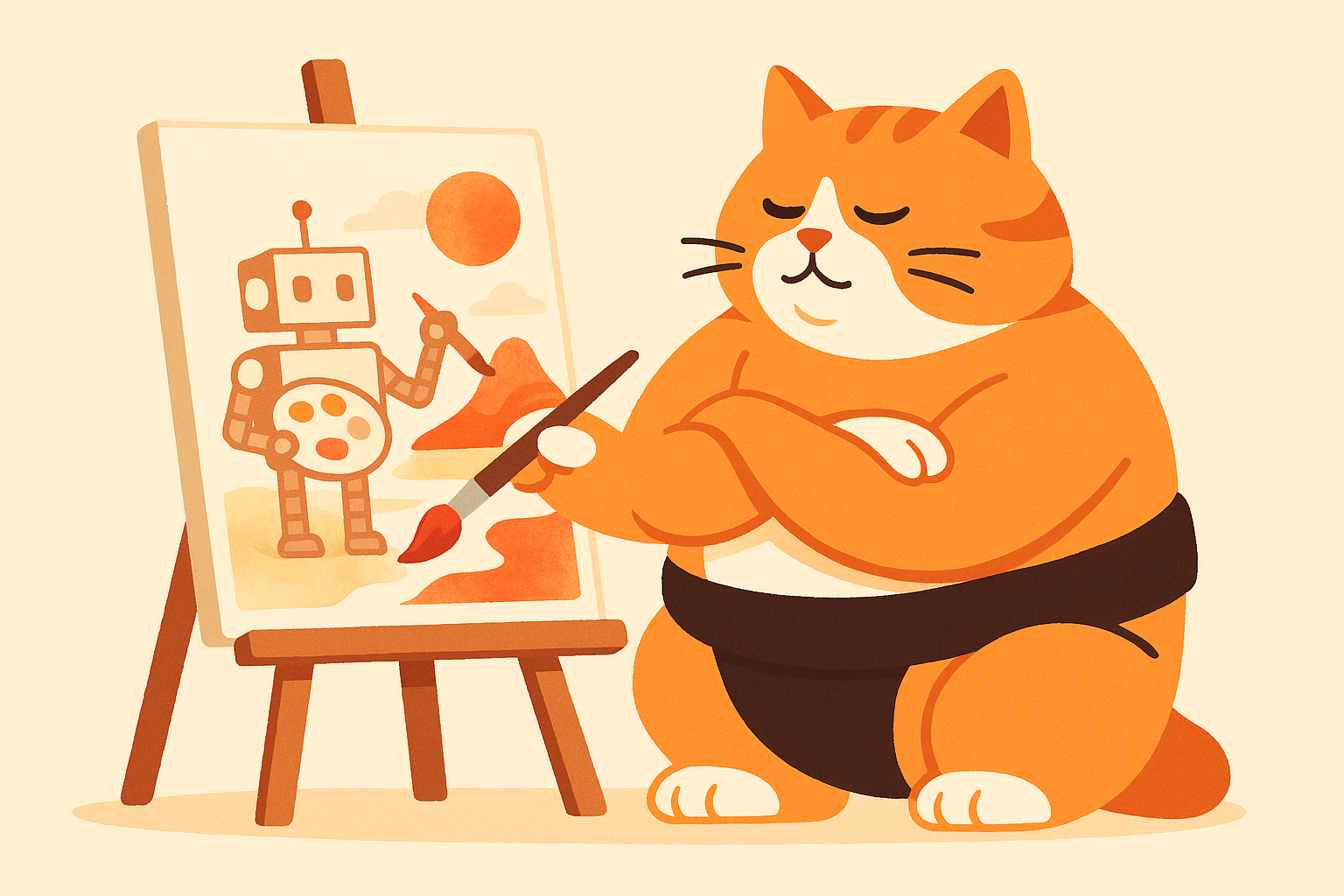
AI Agents Painting: Code Meets Creativity
Discover how coding agents are learning to create art.
By The Cat· Editor, sumocat
2 min read · 11 sources scanned · 102 items considered · 86 skipped
Ever wondered what happens when AI learns to paint? Imagine not just a computer spitting numbers but one painting a landscape, blending colors like a true artist. Today, we dive into a quirky new development where AI coding models are being taught to express themselves through watercolors.
🚀 Today's big thing
- Picture this: an AI that translates lines of code into watercolor paintings. That's what's happening with a new coding model technique known as TRL and OpenEnv. This isn't about getting AI to create art for art's sake--it's about expanding the kinds of tasks AI can help with, like creative design and artistic workflows. One example might be AI assisting a product designer by quickly generating visual prototypes based on descriptive text. It's like having an art assistant with many possibilities.
- But should we brush off the easel just yet? While it's interesting to see AI explore the art world, we're still in the early stages. These models might be useful in handling creatively demanding tasks, but they aren't quite ready to replace human artists. Let's see how it evolves beyond just splashing color before considering it significant. Read more here.
📦 Also shipped
- NeoMME is here to change how AI understands different languages through images and text simultaneously. Imagine a world traveler AI that reads signs and speaks in any local language, switching modes. Handy if you're lost on your next travel adventure, and it comes with multilingual support built right in.
- Next up, a refresh in cyber defense circles: Google's Fairwind Program is rolling out proactive measures to help governments fend off cyber threats before they happen, much like a guard dog watching over digital entry points. This could mean big savings by stopping security breaches early. More details here.
🧠 One idea from the labs
- Researchers developed something called Repo-To-Skill. Imagine taking all the useful tricks coded in the vast library of GitHub and distilling them down into specific skills for AI to learn. It's like teaching an AI doctor not just medical theory but also all the little practical details from thousands of medical case studies. It might make AI more proficient across specialized tasks. Check it out.
💬 The big debate
- What exactly are AI skeptics getting right or wrong? A discussion popped up today dissecting how accurate Ed Zitron's predictions about AI have been. Critics argue he's too rigid in his skepticism, often cherry-picking facts to support his views. On the flip side, some believe his cautionary stance helps counter exaggerated claims. My take? Skepticism is healthy, but it's important to stay open to change as technology evolves. Dive into the conversation.
-- the cat
Get the next issue
Sharp insights from AI research. Every week. No fluff.