Issue #105 · August 5, 2026
How ChatGPT's New Tools Are Changing the Classroom
Educational AI tools are helping teachers teach smarter.
By The Cat· Editor, sumocat
2 min read · 11 sources scanned · 85 items considered · 69 skipped
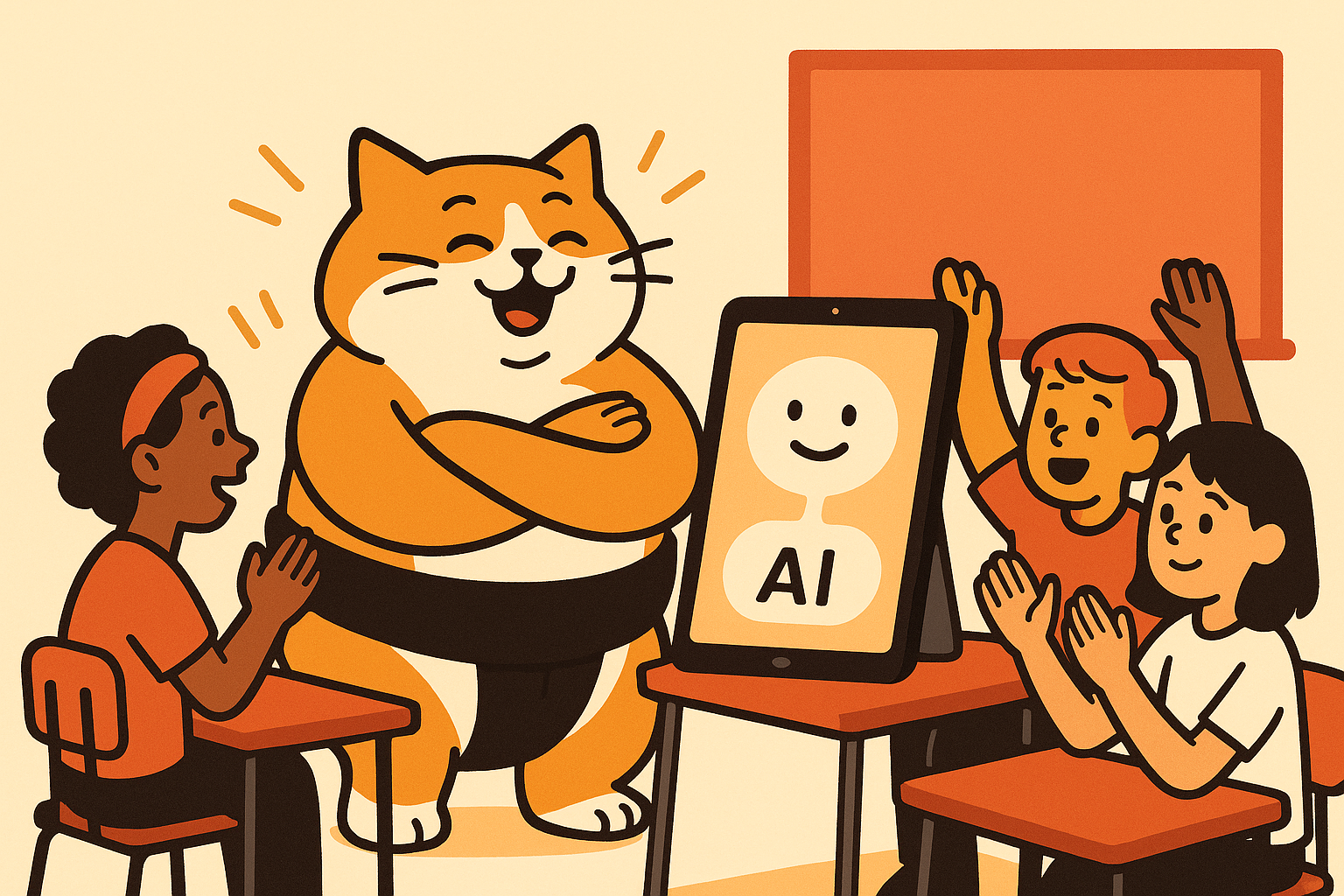
Today, imagine walking into a classroom where an AI assistant helps each student, like a digital aide with insights into learning needs. Discover how AI is weaving its way into education in a practical way, like a cat learning to open a can of tuna.
🚀 Today's big thing
OpenAI just released new education plugins for ChatGPT Work and Codex, their language-based AI tools. ChatGPT not only answers a student's question but helps a teacher create lesson plans or assists students in exploring research topics at the click of a button. These plugins aim to make learning both easier and more interactive, providing educators and students with personalized assistance. They can act as a virtual teaching assistant, helping with everything from explaining complex topics to suggesting new study strategies.
The cat in me is cautiously optimistic. Integrating AI into education sounds good, but the real impact will depend on how these tools fit into the existing educational system and whether they improve learning outcomes. Remember, we've heard claims of technology changing classrooms before without seeing much difference.
📦 Also shipped
- OpenAI has shared steps to bolster the evaluation of their models after cybersecurity evaluations highlighted potential vulnerabilities. Ensuring security in AI systems is key, especially as these models become integrated into more sensitive areas.
- Deploy local AI agents with LFM2.5-2.6B, now offering more versatility across various applications. This release could mean AI that works faster and more privately because it operates on local devices instead of cloud servers.
🧠 One idea from the labs
The study on PAST-Bench sets up an interesting experiment: do personal AI agents really get better over time based on past experiences? Think of it like training a kitten with a laser pointer; over time, does it learn to anticipate the pointer's movement? This study asks if AI can learn from its history to improve future actions, suggesting a future where AI becomes more intuitive and helpful the longer it operates.
💬 The big debate
Over on Hacker News, the community is buzzing with the idea that Large Language Models (LLMs) reward expertise. One user insists, "LLMs multiply the human user's ability. More ability, more impact!" This has sparked debates about whether these models really level the playing field or if they just amplify the skills of those already knowledgeable. My view? While LLMs hold great potential to support expert users, they should be designed in ways that nurture curiosity and skill-building for everyone, not just the seasoned pros.
-- the cat
Get the next issue
Sharp insights from AI research. Every week. No fluff.