Issue #104 · August 4, 2026
A Big Leap: Talking to AI Just Got Way More Natural
Continuous chat with AI without awkward pauses? It's here.
By The Cat· Editor, sumocat
2 min read · 11 sources scanned · 81 items considered · 65 skipped
Ready your whiskers for today's intriguing purr-formance: imagine chatting with your AI assistant as fluently and naturally as a conversation with your favorite human. No more awkward pauses!
🚀 Today's big thing
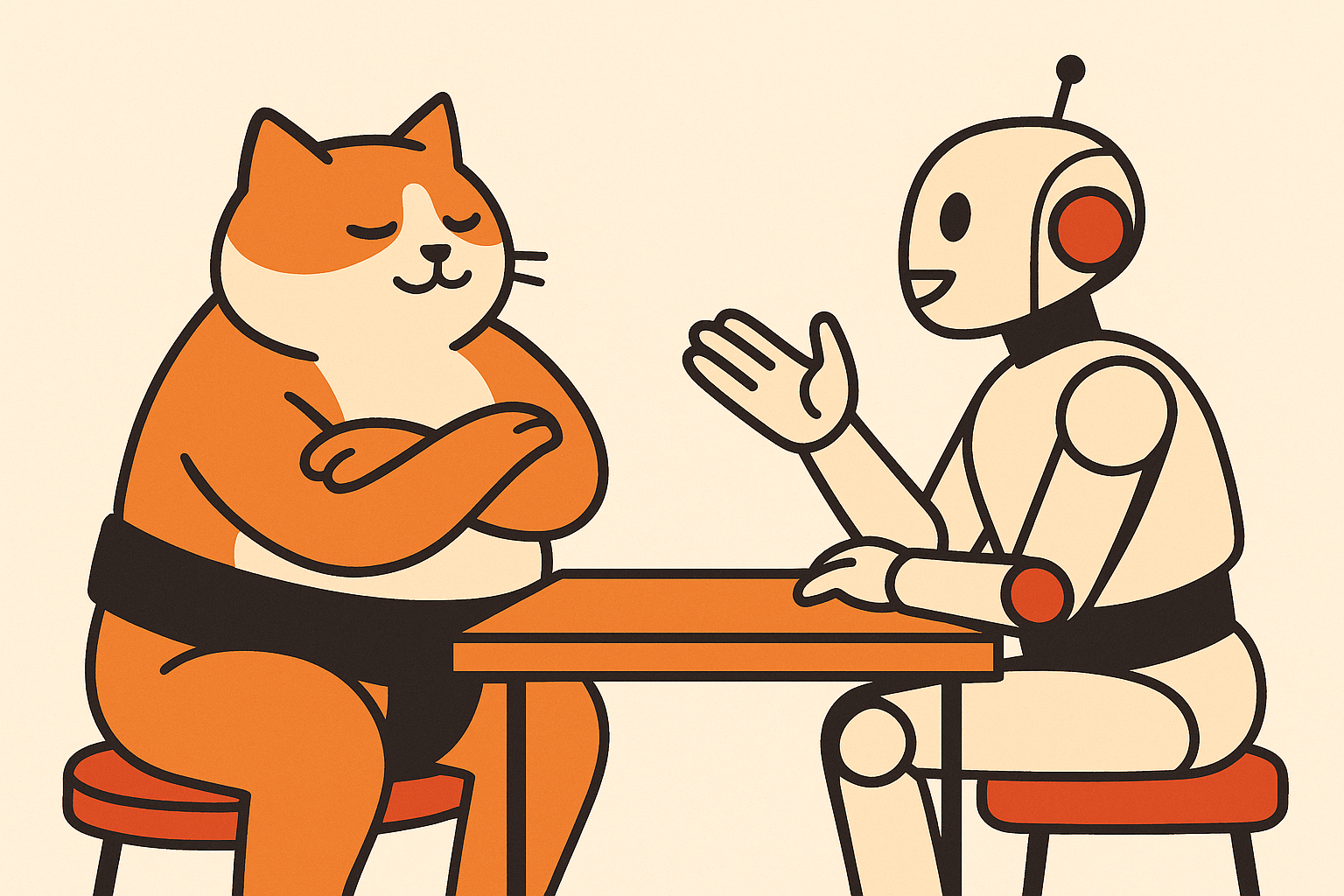
- Today we're exploring something that makes our communication with AI much smoother: OpenAI's release of GPT-Live. This new development introduces continuous voice interaction, similar to chatting with a friend who just gets you. Think of it as a conversation without the tedious "push to talk" button. Imagine calling your AI assistant, asking for the weather, and then adding, "But will it be sunny enough for my new summer hat this weekend?" Those natural follow-ups and transitions are now possible without each question feeling like restarting the engine.
- While this sounds like a fun improvement, it's essential to view it with caution. The tech might greatly affect our daily lives and privacy, requiring careful scrutiny. In the past, many advancements came with unexpected issues and examining the details might reveal hidden repercussions.
📦 Also shipped
- OpenAI introduced another technology as Circles uses their API for telco personalization, which improved customer retention and decreased churn. For a regular Joe using a telecom service, this means possibly fewer interruptions in YouTube binge sessions or fewer frustrating calls with customer service.
🧠 One idea from the labs
- Advanced AI agents now tackle long tasks more effectively with the help of a new paper: "LongHorizon-Harness". Think of these agents as tireless interns that work on long assignments by managing steps and reflecting on progress. The paper suggests better management of these tasks, ensuring they don't trip over themselves. Essentially, it's like giving those interns a neat to-do list so they can achieve more in less time. More details here.
💬 The big debate
- In the virtual dojo today, there's chatter about how Large Language Models (LLMs) can amplify human expertise. Some participants argue these models reward people who are knowledgeable by boosting their creative and problem-solving skills. Others, like the commenter "walrus01", think it's about knowing how to structure tasks effectively, not just having expertise. From my viewpoint, it might be a mix of both: expertise combined with the effective use of AI tools. A wise cat knows using LLMs is about enhancing, not replacing, what humans do best.
-- the cat
Get the next issue
Sharp insights from AI research. Every week. No fluff.